
 Facebook
 X
X
 Pinterest
 Copy Link
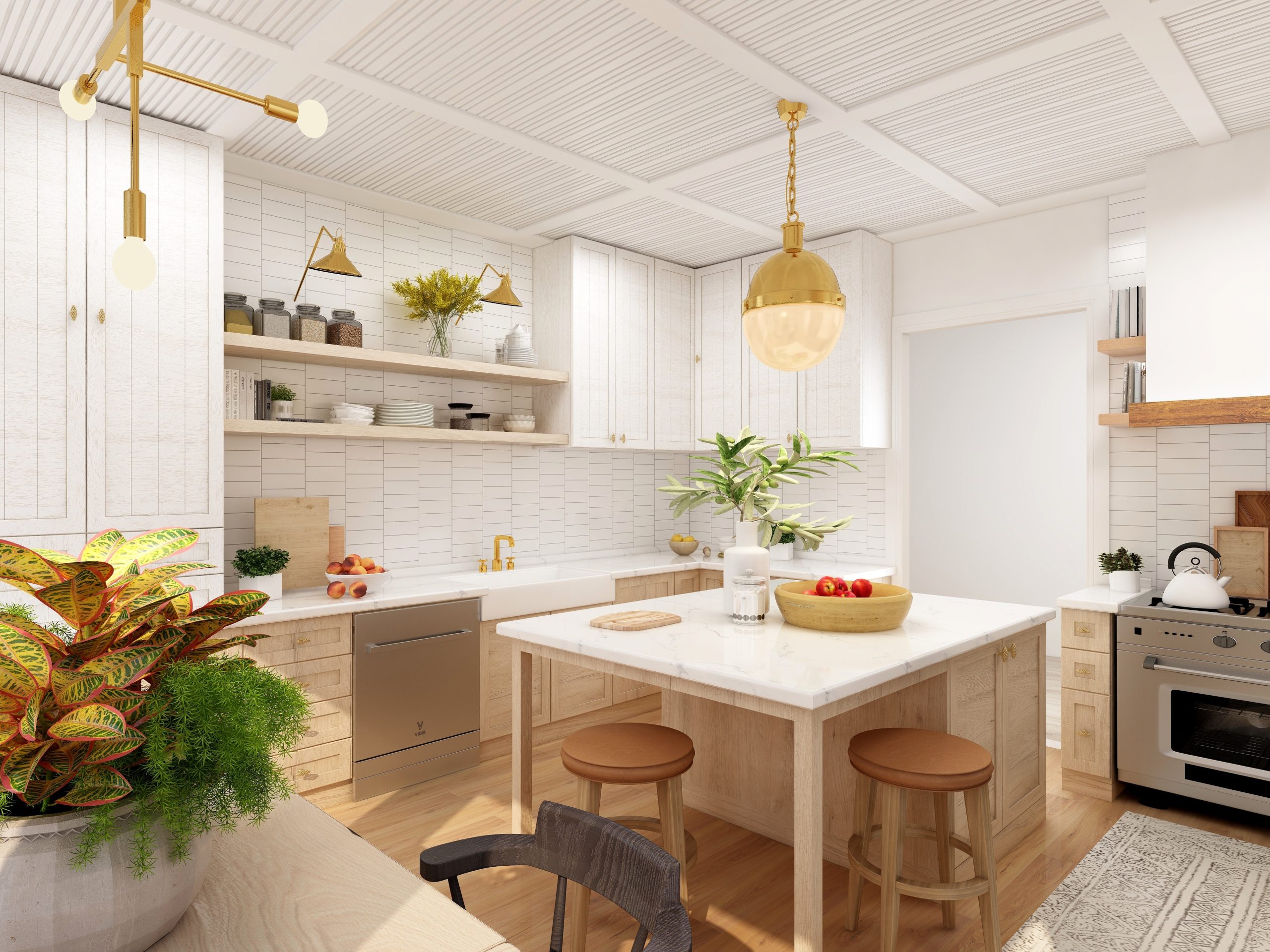
Which home improvements increase value the most? Short answer: curb appeal projects first, then targeted kitchen updates and bathrooms.
Why that order? Buyers form an opinion in seconds. Exterior upgrades create immediate visual impact for a fraction of the cost of a full interior remodel. Inside, buyers pay for clean, functional, updated spaces, not custom or over-the-top finishes. Below is a practical, numbers-driven guide based on the Remodeling Magazine / Zonda 2025 Cost vs. Value Report (national averages; outcomes vary by market).
Top categories to focus on before selling
- Curb appeal: garage door, front entry, exterior cladding
- Kitchen: minor remodel only; skip the gut renovation
- Bathrooms: mid-range remodel or a bathroom addition
Headline numbers from the 2025 Cost vs. Value Report (These are national averages; your local market will change the math.)
Highest-return projects (examples)
- Garage door replacement: 268% ROI. Avg cost: $4,672. Avg resale value added: $12,526.
- Steel entry door replacement: 216% ROI. Avg cost: $2,435. Avg resale value added: $5,270.
- Manufactured stone veneer (lower front facade): 208% ROI. Cost ≈ $11,000. Resale value added ≈ $22,880.
- Fiber-cement siding (full replacement): 114% ROI. Cost ≈ $19,000+.
Why curb appeal wins Buyers form emotional reactions in the first 15 seconds. Visible, appropriately styled upgrades (garage door, front door, stone veneer, paint, landscaping) punch well above their cost. Many of the top-performing projects are relatively affordable but transform perceived value immediately.
Kitchen improvements: add value, but only up to a point.
- Minor kitchen remodel: 113% ROI. National avg cost: $28,458. Resale value added: $32,141. This typically includes replacing cabinet doors/drawer fronts (keep boxes), new counters, sink/faucet, new mid-grade appliances, and updated flooring.
- Major/upscale kitchen remodel: ~52% ROI. High-end custom cabinetry, commercial appliances, luxury finishes — expensive and rarely recouped in typical markets.
- What doesn’t add value in many markets:
- High-end custom cabinetry in a mid-priced neighborhood
- Commercial-grade appliances in a starter home
- Moving plumbing/gas lines for layout changes
- Highly personalized designer finishes Rule of thumb: match the kitchen’s finish level to the neighborhood comps. Minor, functional updates usually beat a full gut when you’re selling.
Bathroom improvements: scope matters
- Bathroom addition (e.g., adding a half bath): Adds roughly $13,000–$26,000 in resale value. Cost: $15,000–$30,000 for a basic addition. Highest absolute value when a home is under-bathed for its bedroom count.
- Midrange bath remodel: 80% ROI. Avg cost: $26,138. Resale added: $20,910. A strong, consistent performer.
- Universal design remodel (walk-in shower, grab bars, wider doors): 61% ROI. Growing in appeal as buyers age.
- Upscale bath remodel: 42% ROI. Luxury finishes have limited resale power in non-luxury markets.
Curb appeal specifics that consistently perform
- Garage door replacement: 268% ROI (see numbers above)
- Steel entry door: 216% ROI
- Manufactured stone veneer: 208% ROI
- Fiber-cement siding: 114% ROI
- Landscaping and exterior paint: not separately tracked in Cost vs. Value but regularly cited by agents as top pre-sale investments. A professional paint job ($3k–$5k) and tidy landscaping can dramatically improve first impressions.
Improvements that typically don’t pay off
- Swimming pools: Installation $40k–$100k+. Appraisers usually add only $5k–$15k in many markets; may reduce buyer pool. Exceptions: luxury homes or warm-weather markets where pools are expected.
- Over-improving beyond the “comp ceiling”: Luxury upgrades in average neighborhoods rarely get dollar-for-dollar back.
- Large sunroom/additions: $75k+ cost, often 30–50% return depending on market.
- Highly personalized items (wine cellars, home theaters, bold custom work): value to the owner, not to most buyers.
Solar panels: a special note
- Solar generally increases home value by about 4%–7% nationally (roughly $10k–$18k for a median-priced home).
- Ownership matters:
- Owned systems: treated as an owned asset and can boost appraisal value, especially in high-cost markets (5%–10% increase in places like California).
- Leased systems / PPAs: typically do not add equity. Buyers may need to assume the lease, which can deter offers. Consider how your system is financed before assuming solar will raise your sale price.
Prioritize improvements before you list. Start with what buyers see first and what buyers worry about:
- Curb appeal (garage door, front door, landscaping, exterior paint): do this first. Highest ROI and first-impression impact.
- Kitchen: do a minor remodel if the kitchen is functionally dated. Replace worn cabinet doors, counters, and appliances that clearly need it.
- Bathrooms: repair failing grout/caulk and leaky fixtures; if remodeling, keep it mid-range. Consider adding a half bath if the home is under-bathed.
- Deferred maintenance: failing HVAC, roof near end-of-life, water intrusion: fix these. These are minimums buyers expect; inspectors will flag them and buyers will discount for them.
- Skip pools, major additions, and highly personalized upgrades unless you’re in a market that specifically values them.
Decision rules that save money
- Every dollar of repair prevents a $3–$5 negotiation concession.
- Every dollar of over-improvement returns roughly $0.40–$0.50.
- Match upgrades to neighborhood comps. Don’t spend to create a feature the market won’t pay for.
Bottom line If you want the biggest lift for the least risk before selling, prioritize curb appeal, then targeted kitchen updates (minor remodels), then smart bathroom work (midrange remodels or useful additions). Avoid over-improving beyond your market’s comp ceiling, and fix anything an inspector would flag. For solar, owned systems do add value; leased systems usually don’t.
Sources: Remodeling Magazine / Zonda 2025 Cost vs. Value Report (national averages). For precise ROI in your neighborhood, talk to a local experts to factor in comps, buyer expectations, and market-specific demand. Call me with questions! Karen Daugerdas, Coldwell Banker REALTOR®, PSA®, SRES, SFR®, ABR®, CFSP®, 847.494.1102, karen.daugerdas@cbrealty.com.
