
 Facebook
 X
X
 Pinterest
 Copy Link
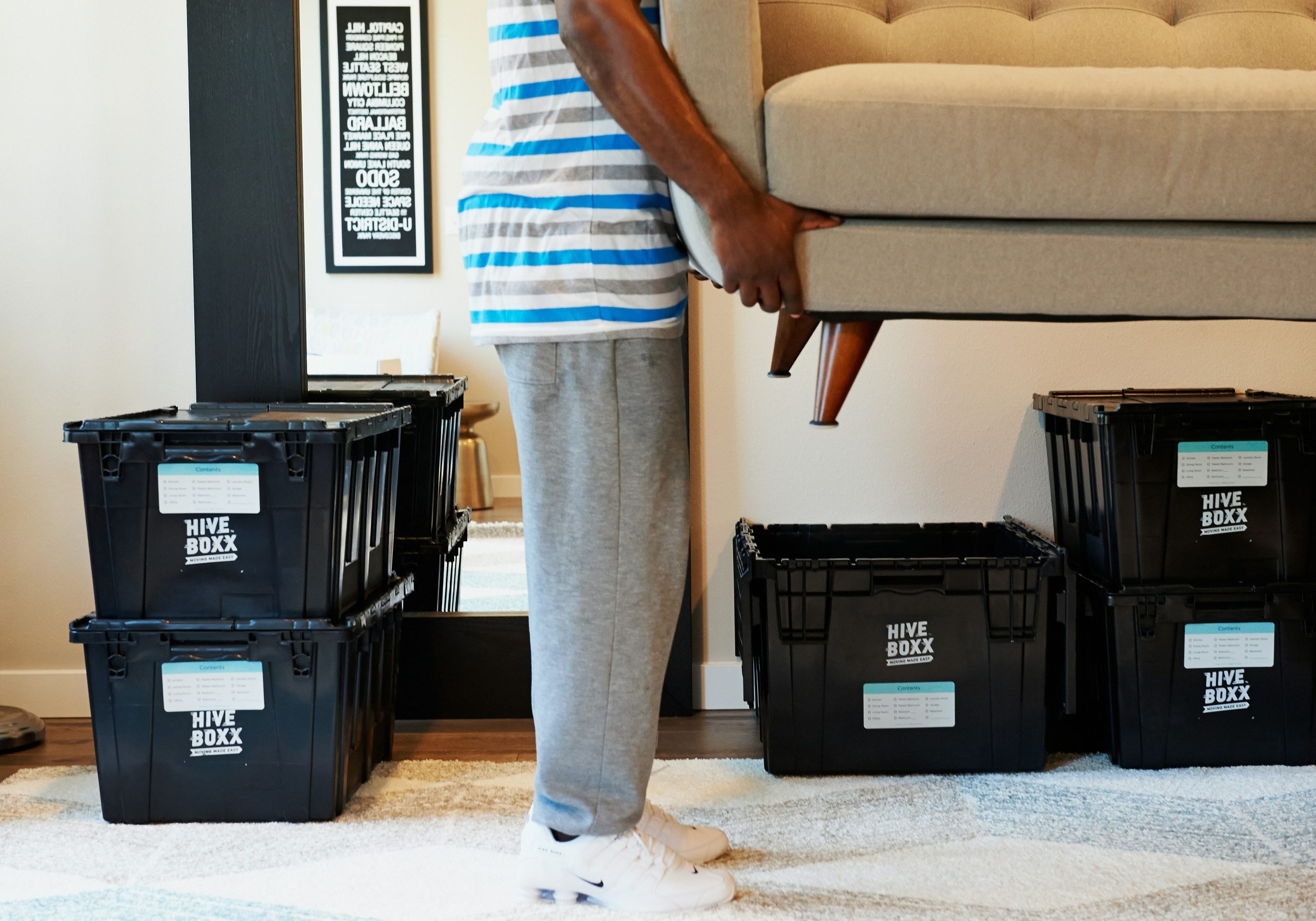
Don’t think that decluttering when you’re in your later years means getting rid of everything. It’s more about making space for what truly matters. The most successful approach centers on three key priorities: improving safety, honoring meaningful memories, and simplifying daily routines. A well-organized home should feel easy to move through and calming to live in, while still reflecting a lifetime of stories and cherished belongings.
These practical, gentle decluttering tips are designed for seniors and their families, focusing on steady progress without pressure.
Begin with Safety
Safety is often the most important place to start. As we age, everyday items around the home can become unexpected hazards. Something as simple as a loose rug, crowded furniture, or a cord across the floor can increase the risk of a fall.
Take a walk through the home together and notice how it feels to move from room to room. Small adjustments can make a big difference:
- Clear hallways and main walking paths
- Rearrange or remove furniture that narrows space
- Secure loose rugs and move cords away from walkways
Once pathways are open, additional safety improvements become more effective. Better lighting improves visibility, grab bars provide support in bathrooms, and handrails add stability on stairs. Non-slip mats can help prevent accidents near tubs and showers.
If there are concerns about balance, vision, or chronic pain, consulting a doctor or occupational therapist can help identify the most important changes.
Keep the Pace Small and Calm
Decluttering doesn’t need to happen all at once. In fact, slower is often better. Large projects can feel overwhelming, while small, focused efforts build confidence and momentum.
Start with just one drawer, shelf, or cabinet. Short sessions—about 30 to 60 minutes—work well, followed by time to rest. Each completed area brings a sense of progress and accomplishment.
It’s helpful to begin with spaces that carry less emotional weight, such as:
- Pantry shelves
- Bathroom cabinets
- Linen closets
- Old mail or expired food
Save more sentimental items, like photos and keepsakes, for later. As confidence grows, those decisions tend to feel easier.
For family members, it’s important to remember that this process can be emotional. Patience and steady progress matter far more than speed.
Use a Simple Sorting Method
Too many choices can quickly become exhausting. A simple system helps keep things manageable. Use four clear categories:
- Keep
- Give to family/friends
- Donate
- Discard
Place labeled boxes nearby so each item has a clear destination. Gentle, supportive questions can guide decisions:
- “How can this room feel easier to move through?”
- “What feels right for this item?”
- “Would you like to keep this or pass it on?”
If something brings up strong emotions, it’s perfectly okay to set it aside and return to it another day.
Focus on High-Impact Areas
Completing one room or zone at a time builds a sense of accomplishment and keeps the process from feeling scattered. Some areas offer especially meaningful improvements:
- Kitchens: Clear out extra dishes and unused tools
- Bathrooms: Simplify cabinets and improve accessibility
- Bedrooms: Reduce clutter for better rest and safety
- Hallways: Ensure clear, open pathways
When it comes to clothing, rarely worn items often become obvious once everything is visible. Keep what fits current routines and comfort.
It’s also best to avoid buying those storage bins too early. Once you “hide” stuff in those, you end up with a sea of bins without actually reducing the clutter. Decluttering first helps reveal what storage is actually needed.
Treat Sentimental Items with Care
Letting go of sentimental belongings can be the hardest part, and that’s completely understandable. These items often hold deep personal meaning and represent important life moments.
Instead of focusing on quantity, consider keeping a smaller collection of truly meaningful pieces. You can also preserve memories in other ways:
- Take photos of special items (my favorite)
- Write down the stories behind them
- Create a memory book
Sharing heirlooms with family members while you can still tell their stories can be especially meaningful. At the same time, it’s important to respect that not every item will hold the same significance for others.
Above all, never remove sentimental items without clear consent. Trust and respect matter more than speed.
Simplify Paper Clutter
Paper clutter tends to build up quietly and can quickly become overwhelming. Start by gathering the most important documents:
- Identification
- Insurance policies
- Wills and legal papers
- Home deeds
- Recent tax returns
Keep originals in one clearly labeled, secure location. If you’re unsure about a document, place it in a “check later” folder instead of making a rushed decision.
Digital copies of key documents can help reduce physical clutter while keeping everything accessible. Meanwhile, old manuals, duplicate papers, and outdated statements can often be safely discarded once essential information is preserved.
Use Storage with Intention
Some belongings may not be needed every day but still hold value. Seasonal decorations, extra furniture, and family keepsakes often fall into this category.
Moving these items out of main living spaces can make the home safer and easier to navigate, while still keeping them within reach when needed. Thoughtful use of storage can support aging in place by reducing clutter without forcing difficult decisions too soon.
Climate-controlled storage is especially helpful for protecting sensitive items like photos, documents, wooden furniture, and electronics from damage caused by temperature changes or humidity.
It’s also worth considering how storage costs fit into long-term plans. Monthly storage expenses can vary widely depending on location, and factoring them into a retirement budget can help ensure that downsizing remains manageable over time.
If you have questions, need organizational resources or want to discuss rightsizing, call Karen Daugerdas, your Coldwell Banker Seniors’ Specialist & real estate broker, 847.494.1102, karen.daugerdas@cbrealty.com.
